DRINKING WATER ANALYSIS AND TREATMENT
Discover how surface water or groundwater is treated before reaching your taps, and how drinking water analysis supports monitoring throughout the process. Treatment stages vary according to source water quality and plant design, but commonly include coagulation, flocculation, sedimentation, filtration, disinfection, and pH adjustment.
Coagulation
When water enters a treatment plant, operators add selected treatment chemicals, such as polyelectrolytes, ferrous sulphate, or aluminium sulphate, to help small, suspended particles come together.
Careful measurement and controlled dosing support effective treatment. Drinking water analysis helps operators assess water conditions and adjust the process as required, while regular maintenance keeps treatment equipment operating consistently.
Flocculation
Following coagulation, water enters a tank where large paddles gently mix it. This movement encourages small particles to combine into larger clusters known as flocs.
The larger, heavier flocs are easier to separate from the water during sedimentation.
Sedimentation
During sedimentation, water flows into settling basins, where the flocs settle to the bottom. This separates much of the suspended material from the water, preparing it for further treatment.
The settled solids form a sludge layer that is removed for further handling, which may include thickening. Disposal or beneficial reuse depends on the sludge’s composition and applicable requirements.
Filtration
After sedimentation, water passes through filters, often containing sand, to remove remaining suspended particles. As water moves through, these particles are captured within the filter media.
Drinking water analysis helps operators assess the clarity of the filtered water and monitor treatment performance before subsequent stages.
Disinfection
Disinfection treats harmful microorganisms remaining in the water. Where chlorine is used, operators control its concentration and provide sufficient contact time for effective treatment.
A controlled chlorine residual may be maintained to help protect treated water as it travels through the distribution network. Drinking water analysis supports monitoring of disinfectant levels and treatment effectiveness.
pH adjustment
Operators adjust pH where required to reduce acidity, control corrosion, and help protect domestic pipes and distribution infrastructure. The position of this stage within the treatment process depends on the plant’s design.
Treatment may involve lime or other suitable chemicals. Where appropriate, phosphate-based treatment can also support corrosion and scale control.
Following treatment and water quality checks, pumping stations deliver the water through municipal pipelines to residential customers.
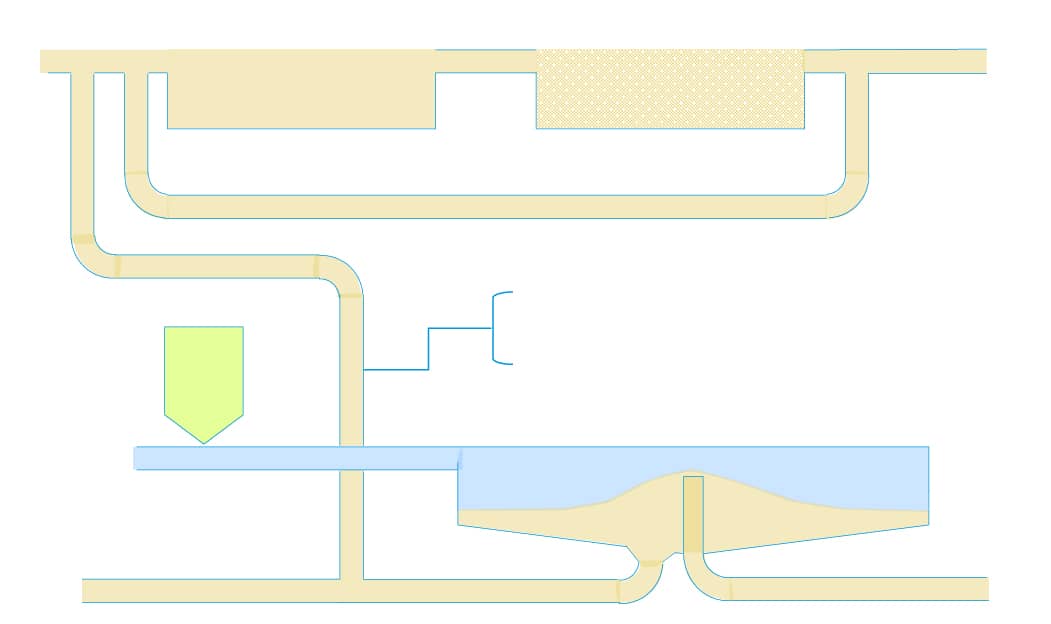
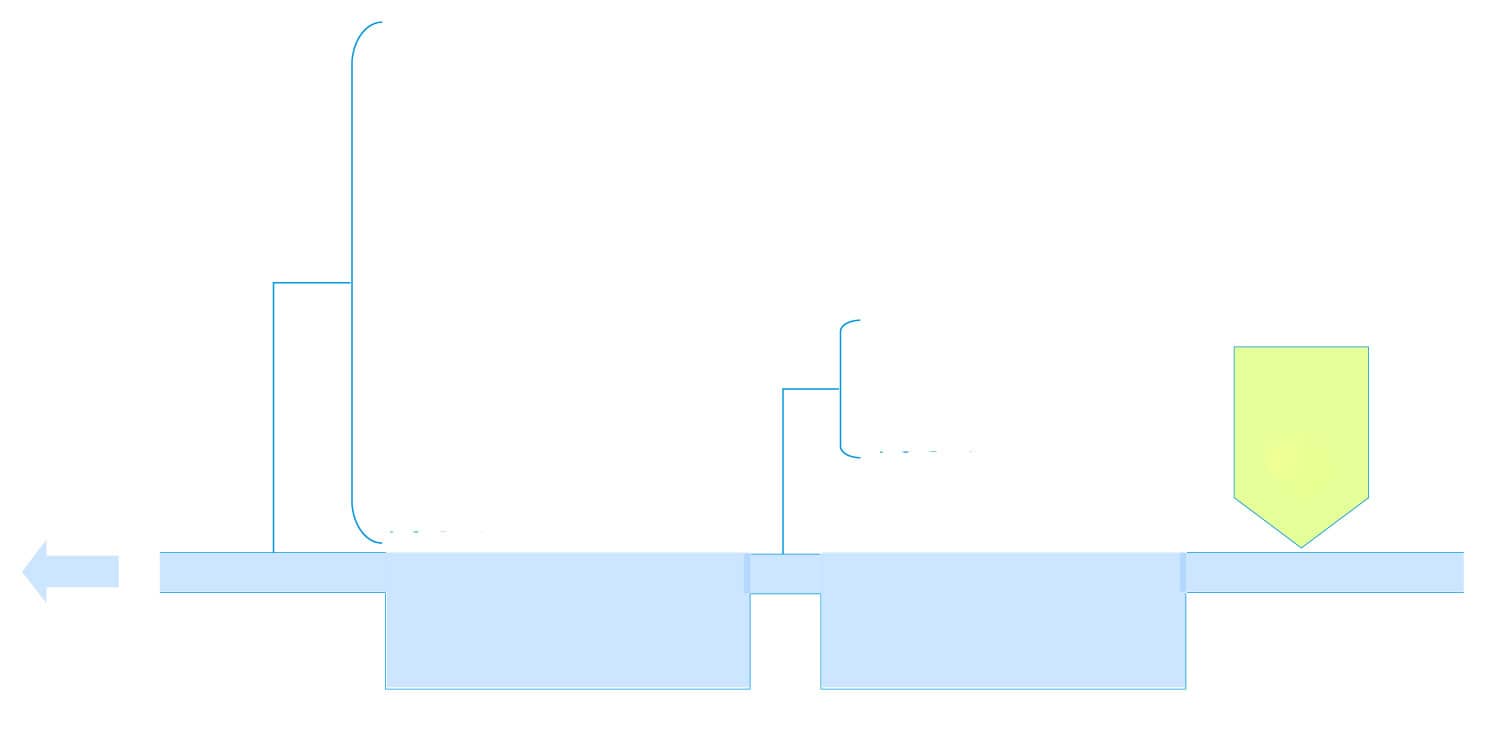
Drinking Water Treatment Flow Diagram

PUMP
RAW WATER
MIXER
FLOCCULATOR
CLARIFIER
FILTERS
CLEAR WELL
TO DISTRIBUTION SYSTEM
SLUDGE
BACKWASH WATER
PUMP